AI in the Insurance Industry: Use Cases for Operational Automation
- Arcitech
- 13th October 2026
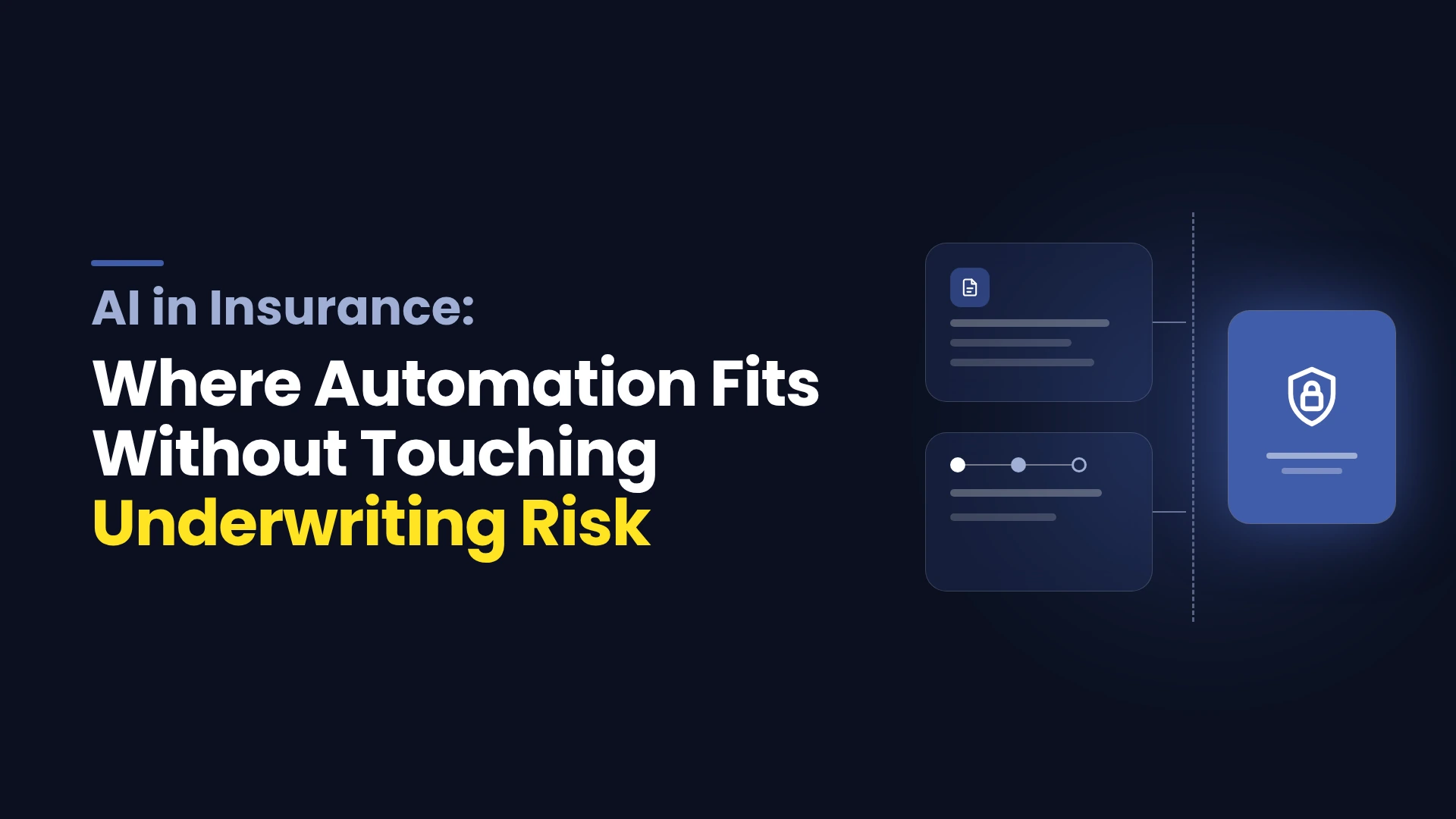
An insurer does not need to automate risk selection to benefit from AI. Employees may already spend hours locating documents, assigning requests, preparing updates and reconciling records.
These activities create delays even when the underwriting process works as intended.
AI in the insurance industry can support document handling, customer service and administrative coordination while keeping underwriting authority within existing systems and teams. The key is defining what automation may read, recommend and change.
Working outside underwriting does not remove operational or consumer risk. A misrouted complaint or inaccurate status message can still affect a customer.
What Does Insurance Process Automation Cover
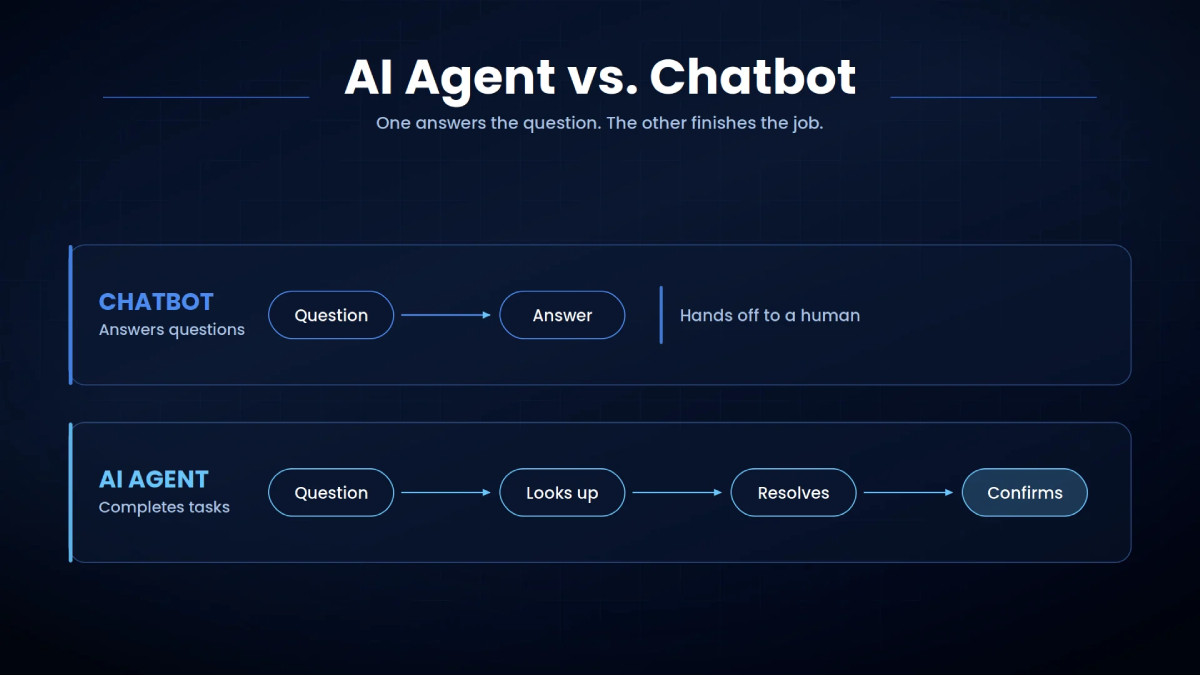
Insurance process automation connects repetitive tasks through business rules, integrations and, where useful, AI.
Rules can assign work or send an approved notification. AI can interpret an email, extract document details or draft a summary.
The NAIC identifies customer service, claims handling and other operational applications alongside underwriting and pricing. These are distinct uses with different consequences and oversight needs.
Start with the task and its outcome rather than treating every insurance workflow as an AI use case.
Define the Boundary Before Choosing Tools
Document the actions the proposed workflow can perform.
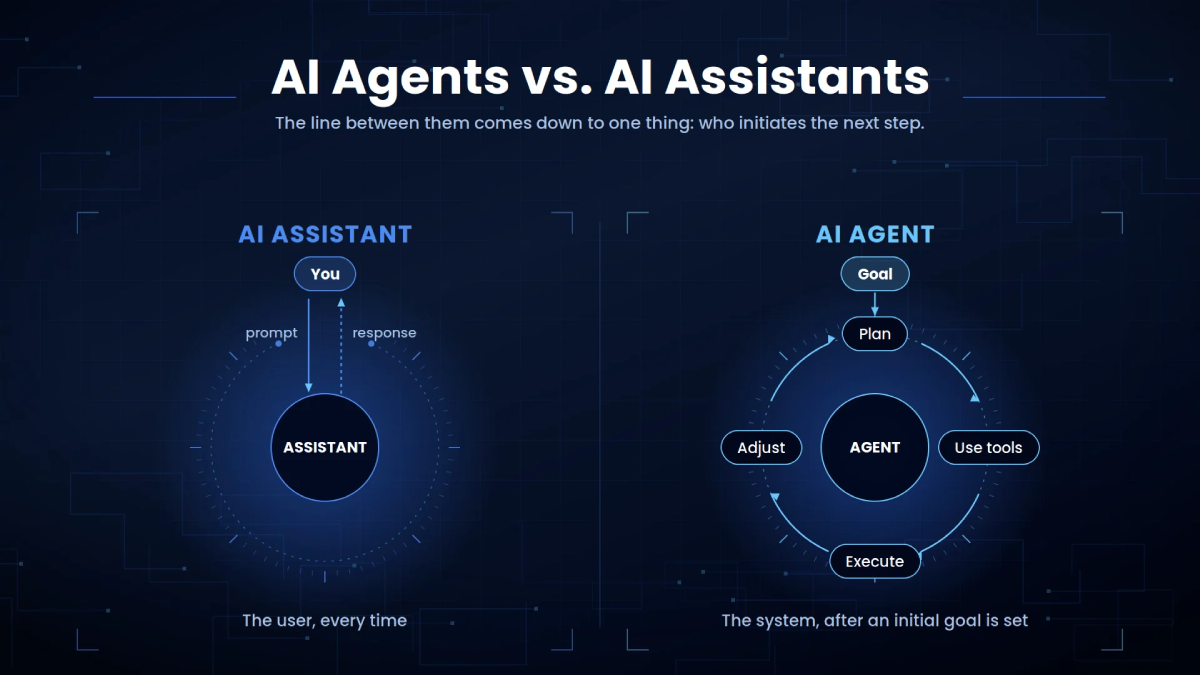
An assistant might retrieve a claim status and draft a response. That does not mean it should interpret coverage, promise a settlement or change policy terms.
Check downstream effects too. An extracted value may influence underwriting if it automatically updates a field used by a decision system.
A workflow remains outside underwriting only when its actual connections and permissions preserve that boundary.
An assistant might retrieve a claim status and draft a response. That does not mean it should interpret coverage, promise a settlement or change policy terms.
| Administrative activity | Boundary to preserve |
|---|---|
| Classify incoming correspondence | Route uncertain or urgent matters for review |
| Extract submitted information | Validate critical fields before downstream use |
| Provide status updates | Use confirmed records without implying approval |
| Prepare a service request | Retain required identity checks and authorisation |
| Summarise a claim file | Preserve source evidence and unresolved facts |
Check downstream effects too. An extracted value may influence underwriting if it automatically updates a field used by a decision system.
A workflow remains outside underwriting only when its actual connections and permissions preserve that boundary.
Practical AI Automation Use Cases
Document Intake and Indexing
Insurance teams receive forms, supporting evidence, invoices and correspondence through several channels.
AI can classify documents, extract administrative fields and suggest the appropriate file or work queue. Consider a hypothetical submission containing an unclear policy number. The workflow proposes possible matches and asks an employee to confirm the correct record.
It should not attach the document automatically merely because one match appears plausible.
Preserve the original submission and record corrections so staff can trace how information entered the system.
Customer Service Request Routing
AI can help distinguish routine enquiries, complaints, document requests and messages requiring specialist attention.
The workflow can then assign ownership and monitor response deadlines.
Test ambiguous messages carefully. A customer asking why a payment changed may be raising a complaint rather than requesting a general explanation.
Offer staff a way to correct categories and investigate recurring misrouting.
The workflow can then assign ownership and monitor response deadlines.
Test ambiguous messages carefully. A customer asking why a payment changed may be raising a complaint rather than requesting a general explanation.
Offer staff a way to correct categories and investigate recurring misrouting.
Routine Status Communications
Automation can prepare acknowledgements, missing-information requests and progress updates using confirmed system data.
A useful message explains what has happened and what is needed next.
Keep important distinctions visible. “Documents received” does not mean “claim approved.” “Request submitted” does not mean “policy amended.”
Use approved templates for bounded communications and review generated wording where interpretation could change the meaning.
Keep important distinctions visible. “Documents received” does not mean “claim approved.” “Request submitted” does not mean “policy amended.”
Use approved templates for bounded communications and review generated wording where interpretation could change the meaning.
Claims Administration
For insurers evaluating claims automation, administrative tasks offer a defined starting point: registering submissions, tracking documents, assigning handlers and preparing correspondence.
Claims automation in insurance should distinguish these activities from coverage determination, fraud findings and settlement decisions.
A hypothetical workflow might identify that a repair estimate is missing and create a follow-up task. It should not infer that the missing estimate justifies rejecting the claim.
Use human-in-the-loop AI for uncertain evidence and consequential actions.
Internal Knowledge Retrieval
An assistant can help employees locate approved procedures and document requirements.
Responses should identify the source, its effective version and any relevant limitations.
Where sources conflict, the assistant should flag the disagreement and direct the employee to the responsible team. A confident generated answer cannot resolve an unclear policy. Restrict access so employees retrieve only information they are authorised to view.
Finance and Operational Reporting
Insurance operations also involve supplier invoices, expense administration and internal reporting.
Automation can consolidate records, identify missing fields and route discrepancies.
A broader ERP automation approach can connect finance workflows with approvals and accounting records.
Keep measured results separate from estimates. If source systems disagree, expose the difference rather than generating an unsupported explanation.
Controls That Make the Boundary Meaningful
Limit Write Permissions
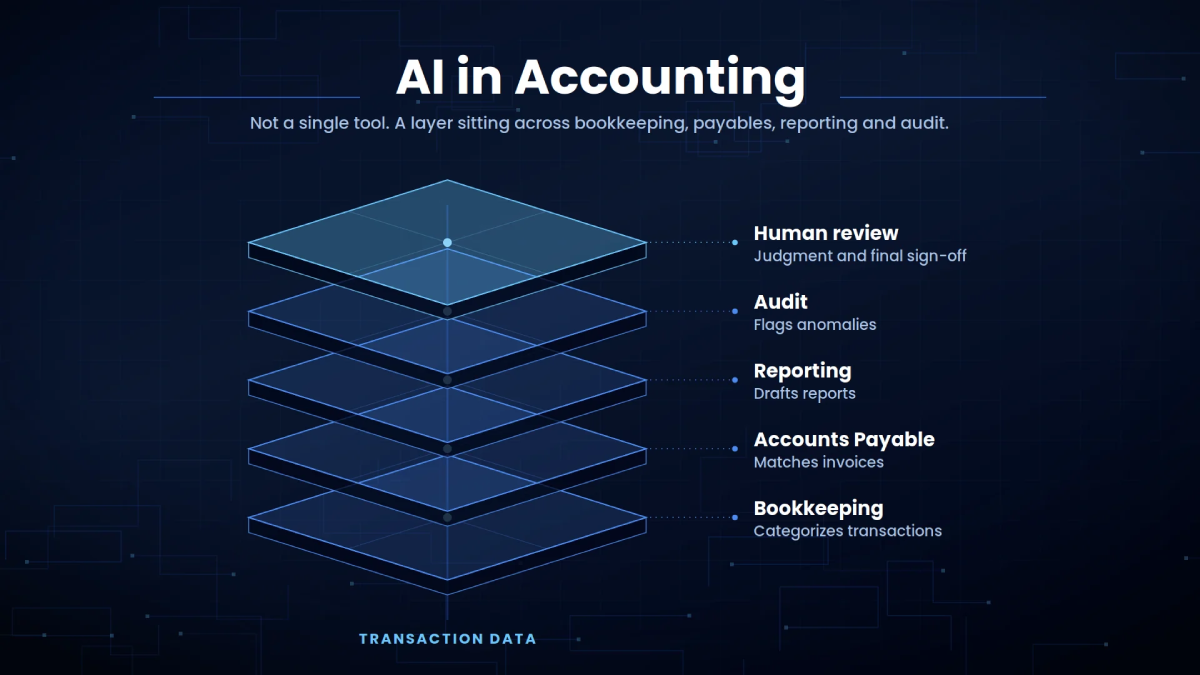
Begin with the access required for the task. Separate reading information from changing records.
A service assistant that only needs claim status should not receive authority to alter settlement values.
A service assistant that only needs claim status should not receive authority to alter settlement values.
Make Outputs Traceable
Connect summaries and recommendations to supporting records. Log material updates, approvals and overrides.
Test Consumer Impact
Evaluate incorrect messages, missed complaints, duplicate requests and failed transfers.
Review unflagged cases as well as exceptions to identify errors the system did not detect.
Review Vendor Responsibilities
Confirm data handling, retention, access and support arrangements. Buying a tool does not transfer responsibility for how it is used.
The NAIC’s adopted AI Model Bulletin addresses governance and risks including inaccuracy, unfair discrimination and limited explain ability. Its application depends on jurisdiction; it is not a single nationwide rule.
The NAIC’s adopted AI Model Bulletin addresses governance and risks including inaccuracy, unfair discrimination and limited explain ability. Its application depends on jurisdiction; it is not a single nationwide rule.
Benefits and KPIs
The business case should connect automation to completed work, fewer corrections and better service.
Measure performance by request type. Faster handling of simple enquiries can hide a growing backlog of complaints.
| KPI | What it reveals |
|---|---|
| Request turnaround time | Whether administrative work completes faster |
| Routing accuracy | Whether requests reach the correct team |
| Critical-field correction rate | Whether extracted information is reliable |
| Manual handling time | Employee effort per completed case |
| Repeat-contact rate | Whether customers need to ask again |
| Exception resolution time | Whether difficult cases receive attention |
Measure performance by request type. Faster handling of simple enquiries can hide a growing backlog of complaints.
Implementation Risks and Tradeoffs
Broad automation can increase review workload if classifications or summaries are unreliable.
Strict controls can also slow routine processing when every case receives the same level of review.
Balance both through a limited pilot, representative testing and review requirements based on consequences.
Include integration, licences, monitoring and employee effort in cost calculations. Saved time becomes useful capacity when teams adjust workloads accordingly.
Start With a Clearly Bounded Workflow
AI in the insurance industry can improve administration without taking over underwriting decisions, provided permissions and downstream connections preserve that separation.
Choose one recurring problem, establish a baseline and test how the process behaves when information is incomplete.
Arcitech’s published AI automation services cover business workflows and enterprise integration planning. An initial discussion can define the administrative scope, system connections and approval boundaries.
Transform Your Insurance Operations with AI
Streamline document processing, customer enquiries, and claims administration with intelligent automation while retaining human oversight of critical decisions.
Frequently Asked Questions
1. Can insurers use AI without automating underwriting?
Yes. Document intake, request routing and administrative reporting can be scoped separately from underwriting decisions.
2. Is administrative AI risk-free?
No. Incorrect records, messages or routing can affect customers. Controls should reflect those consequences.
3. Does insurance process automation always require AI?
No. Rules and integrations can handle predictable steps. AI is more useful when inputs require interpretation.
4. Which workflow should an insurer automate first?
Choose a repetitive administrative task with reliable inputs, clear ownership and measurable delays.
Check out our Social Media