AI Agents vs. AI Assistants: How They Work and When to Use Each
- Arcitech
- 05th September 2026
What Is an AI Assistant?
What Is an AI Agent?
AI Agent vs. AI Assistant: Key Differences
| AI Assistant | AI Agent | |
|---|---|---|
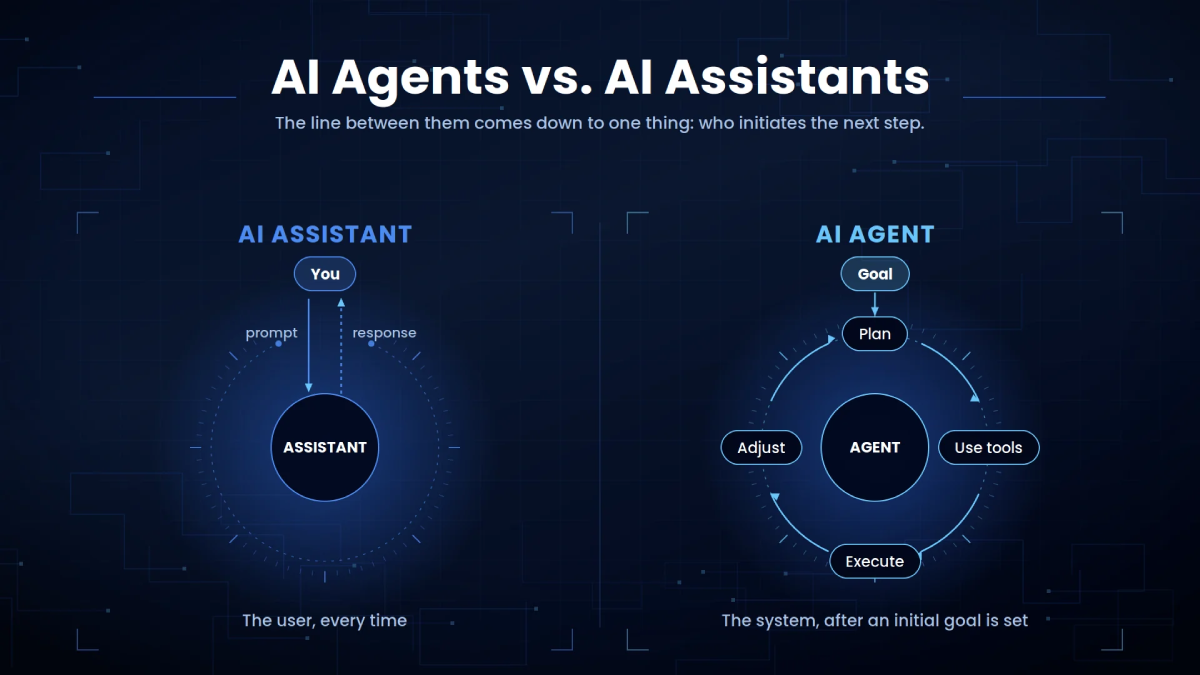
| Who initiates each step | The user, every time | The system, after an initial goal is set |
| Interaction model | Reactive — prompt in, response out | Proactive — plans and executes toward a goal |
| Persistence | Ends when the conversation ends | Can run across sessions until the goal is met |
| Tool use | Limited or none | Calls APIs, databases, and other systems |
| Oversight | Human approves each action | Human sets guardrails, reviews outcomes |
| Best fit | Single-turn help: drafting, lookup, Q&A | Multi-step processes: coordination, execution, follow-through |
Benefits of an AI Assistant
- Predictable and easy to audit — every output has an explicit prompt behind it
- Fast to deploy with minimal integration
- Keeps a human in control of every action, which matters for sensitive or judgment-heavy tasks
Benefits of an AI Agent
- Removes the need to manually prompt every step of a multi-step process
- Can operate continuously (monitoring, following up, escalating) between human check-ins
- Scales with workflow complexity instead of being capped by how many prompts a person can write
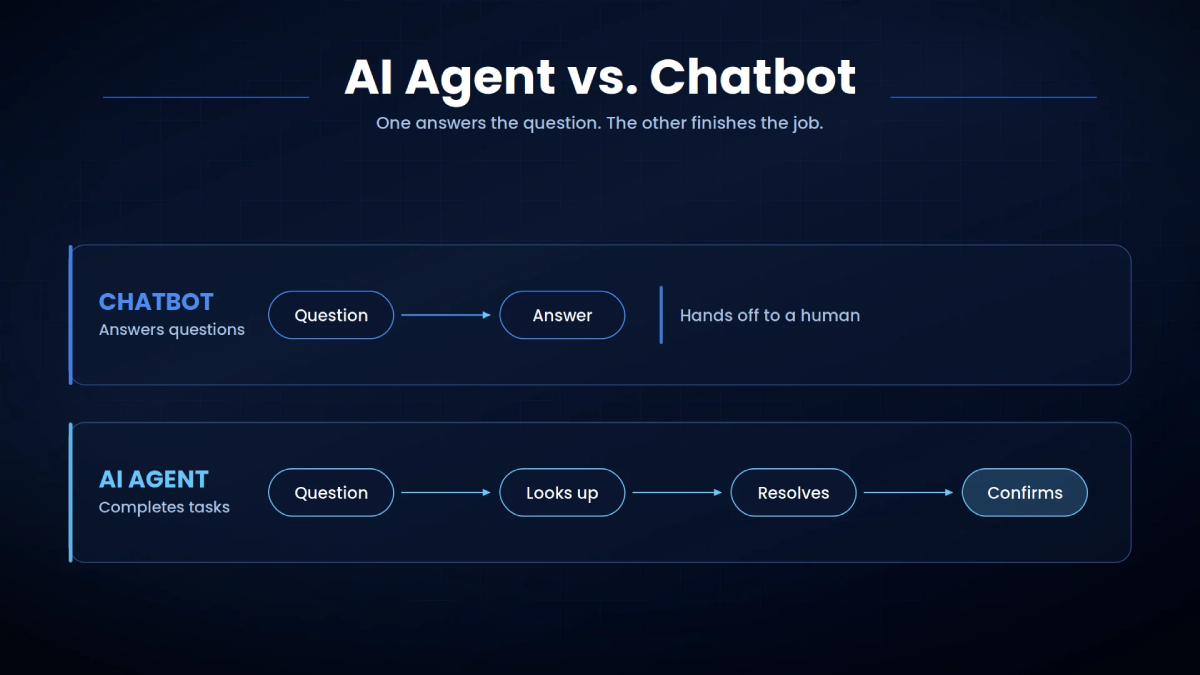
- The role of an assistant becomes clearer when compared with the capabilities of an AI agent and a chatbot.
Real-World Use Cases
- Drafting emails and documents on request
- Answering internal knowledge-base questions
- Scheduling suggestions a person confirms
- Code completion inside an IDE
- Resolving a support ticket end-to-end — looking up the account, taking the fix, confirming with the customer
- Coordinating a cross-departmental request (IT provisioning, HR onboarding, finance approval) without manual handoffs between systems
- Monitoring infrastructure and opening a fix automatically when a threshold is breached
- Running a multi-step sales research and outreach sequence per lead
When to Use Each
Analysts frame this as a maturity curve rather than a binary choice: Gartner has described the current shift in enterprise software as AI evolving from assistants that wait for instructions into agents that plan, decide, and act on their own. That shift is real, but it's gradual — most organizations still run assistants for the bulk of their day-to-day AI use and layer agents in specifically where a workflow has outgrown "one prompt, one answer."
The Governance Difference
An assistant's worst-case failure is a bad draft — low stakes, easy to catch.
An agent's worst-case failure is a wrong action taken in a live system: an incorrect refund, a bad ticket routing, a mishandled record update.
That's why agent deployments need permission scoping, audit logging, and defined escalation paths from day one, while assistants generally don't.
Conclusion
Neither technology is universally better. AI assistants are often the right starting point for productivity and knowledge work, while agents become more valuable as organizations automate complex operational processes.
The strongest enterprise AI strategies will likely combine both—using assistants to simplify human interaction and agents to automate the workflows behind those interactions. Arcitech’s AI software development services support the development of custom AI agents and AI-powered applications.
Build AI Assistants and Intelligent Agents With Arcitech
Arcitech helps businesses design and develop custom AI assistants, AI agents, agentic workflows, generative AI integrations, and enterprise automation solutions. Whether you want to improve employee productivity with an intelligent assistant or automate complex operations with autonomous AI agents, talk to Arcitech about building an AI
Frequently Asked Questions
1. What is the difference between an AI Agent and an AI Assistant?
An AI assistant primarily helps users perform tasks, while an AI agent can work toward a goal, coordinate multiple steps, interact with systems, and execute authorized actions.
2. Is an AI Agent more advanced than an AI Assistant?
AI agents generally have greater autonomy and workflow capabilities, but that does not automatically make them better. AI assistants may be more appropriate when direct human control is important.
3. Can an AI Assistant become an AI Agent?
Yes. An assistant can gain agent-like capabilities when it is given access to tools, workflows, memory, planning capabilities, and permission to perform actions.
4. What are examples of AI Assistants?
Examples include systems that summarize documents, answer enterprise questions, generate content, assist developers, prepare reports, or help employees analyze business information.
5. What are examples of AI Agents?
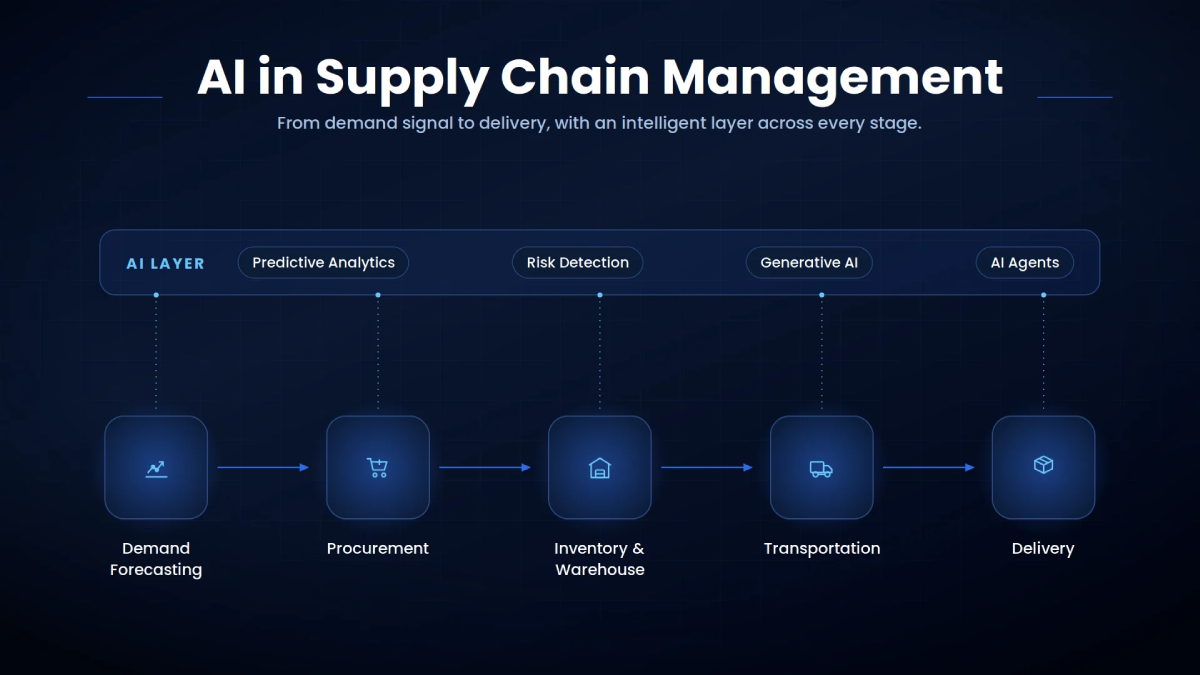
AI agents can automate sales workflows, process customer requests, coordinate recruitment, manage IT operations, monitor supply chains, update enterprise systems, and perform multi-step operational tasks.
Check out our Social Media