How to Choose an AI Agent Development Company: Buyer’s Checklist
- Arcitech
- 5th November 2026
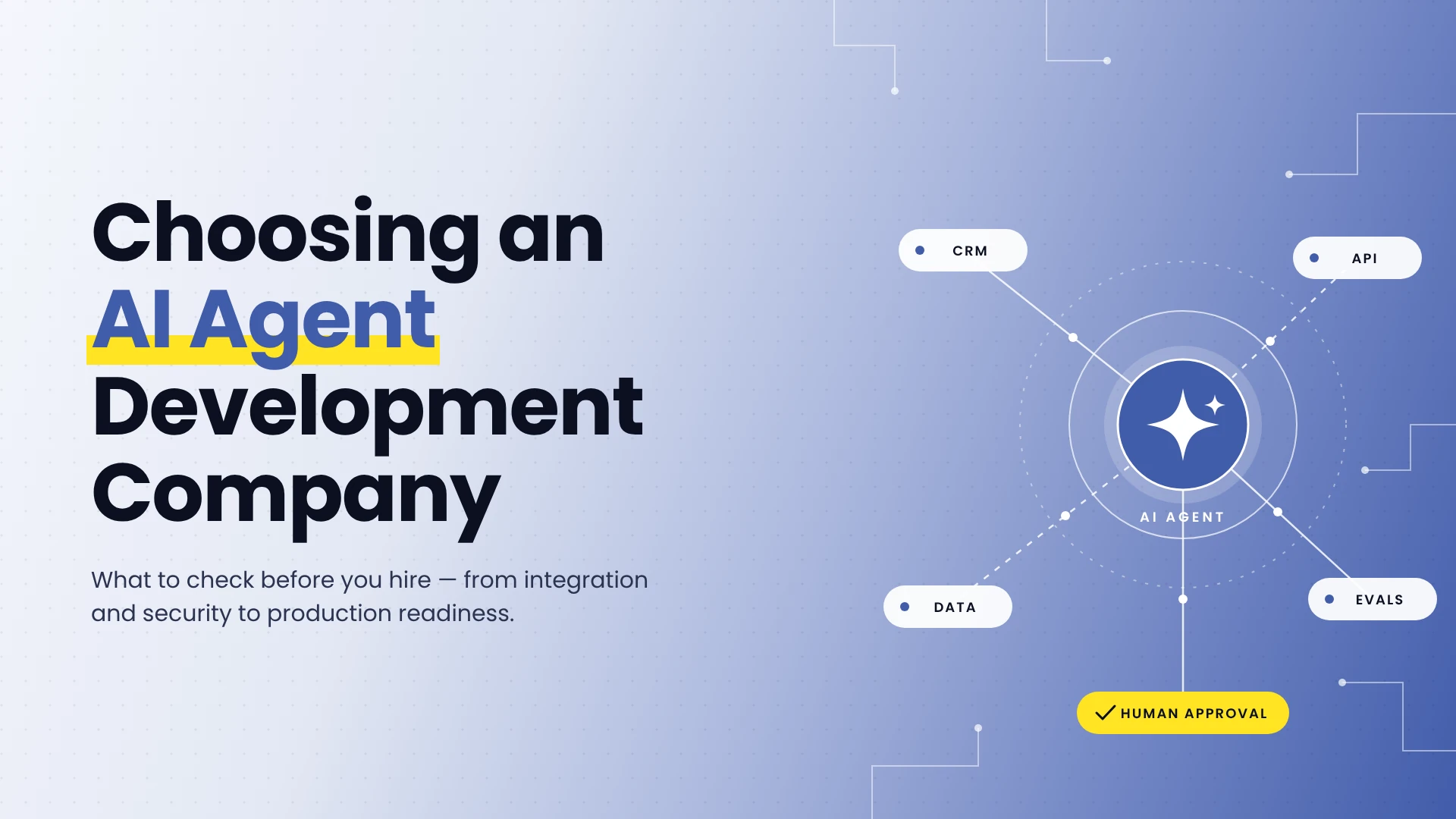
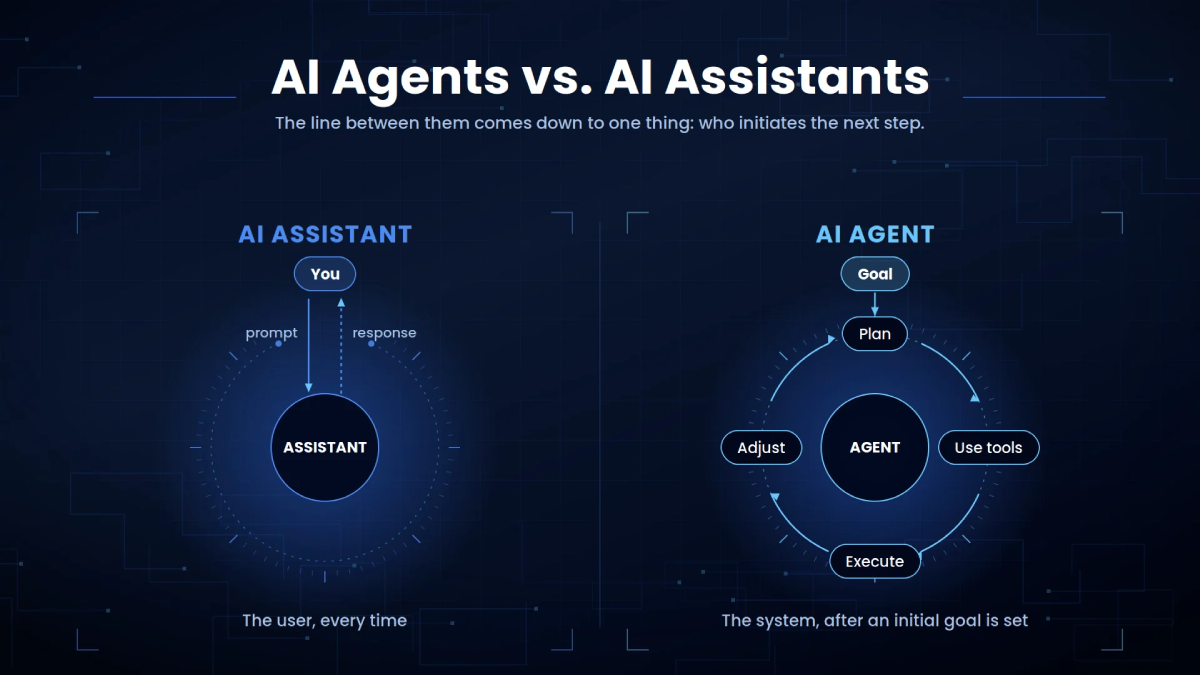
An AI agent uses a model, tools, and application logic to pursue a task across multiple steps. That ability creates implementation questions: what can it access, which actions can it take, and what happens when it gets something wrong?
First, Decide Whether You Need an Agent
Anthropic’s engineering guidance distinguishes predefined workflows from agents that dynamically direct their own processes and tool use. Ask vendors to explain why your task needs that flexibility and what simpler alternatives they considered.
For example, a support agent might retrieve an order, check a delivery exception, and prepare a response. Refunding the customer is a separate permission decision. This is an illustrative scenario, not an Arcitech case study.
What Should You Ask an AI Agent Development Company?
1. How Will You Define Success?
Agree which actions count as successful and which require review. Identify the baseline process so you can compare completion time, correction effort, and outcomes.
2. How Will the Agent Access Data and Tools?
Ask how the implementation prevents duplicate actions, handles API failures, and verifies that a write actually succeeded. A model proposing an update is different from an application confirming the update was committed.
3. How Will You Evaluate Complete Workflows?
Inspect outcomes and relevant execution traces, not just fluent responses. A test should reveal whether the agent reached the correct result through permitted actions. Anthropic’s agent-evaluation guidance is a useful technical reference for discussing this evidence.
Request repeated trials where variability matters. Agree how regressions will be checked after model, prompt, tool, or policy changes.
4. How Will You Handle Security and Untrusted Content?
5. Where Will Humans Review or Approve Actions?
Human-in-the-loop AI should include a usable review process: what the reviewer sees, how approval is recorded, and how delayed or rejected requests are handled. A review queue that nobody owns is not effective oversight.
6. What Happens in Production?
Confirm who responds when an integration changes or a model update affects behaviour. A successful pilot needs an operating plan before it becomes a business dependency.
Use This Buyer’s Evidence Checklist
| Evaluation area | Evidence to request |
|---|---|
| Business fit | Task definition, baseline, alternatives, and acceptance criteria |
| Integration capabilit | Data-flow design, authentication approach, and failure handling |
| Evaluation quality | Representative tests, repeat trials where needed, and regression results |
| Security | Permission boundaries, action validation, and adversarial tests |
| Human oversight | Approval rules, reviewer interface, escalation, and audit records |
| Production readiness | Monitoring plan, operating limits, support ownership, and handover |
How Should You Run a Pilot to Build a Custom AI Agent?
Agree the pilot deliverables: integration code, configuration, test cases, results, known limitations, and an operating-cost estimate. Include an ordinary case and a meaningful failure case in the demonstration.
For an order-support pilot, test an incomplete order record, an unavailable delivery API, and a request for an unauthorised refund. Success includes recognising when the agent must stop or escalate.
Decide in advance which results justify rollout, further iteration, or cancellation. Do not assume pilot performance establishes reliability across every department or customer segment.
How Do You Compare Proposals and Ownership Terms?
Recurring costs can include model usage, retrieval, hosting, observability, third-party tools, and human review. Ask for the assumptions behind estimates, including retries and unsuccessful tasks. Cost per successfully completed task can be more informative than cost per model call.
Clarify rights and access to custom code, prompts, configuration, evaluation data, deployment accounts, and documentation. Ask what can be transferred if you change providers or model platforms, and what requires rework.
Choose Evidence Before Expanding Autonomy
Arcitech’s custom software development services cover enterprise applications, APIs, and AI-powered systems. Share your target workflow and integration constraints to discuss the engineering approach and validation needed for your project.
Put AI Agents to Work on Real Business Tasks
Explore AI agents and automation designed to work with your systems, workflows, and approval controls.
Frequently Asked Questions
1. Is an AI agent the same as a chatbot?
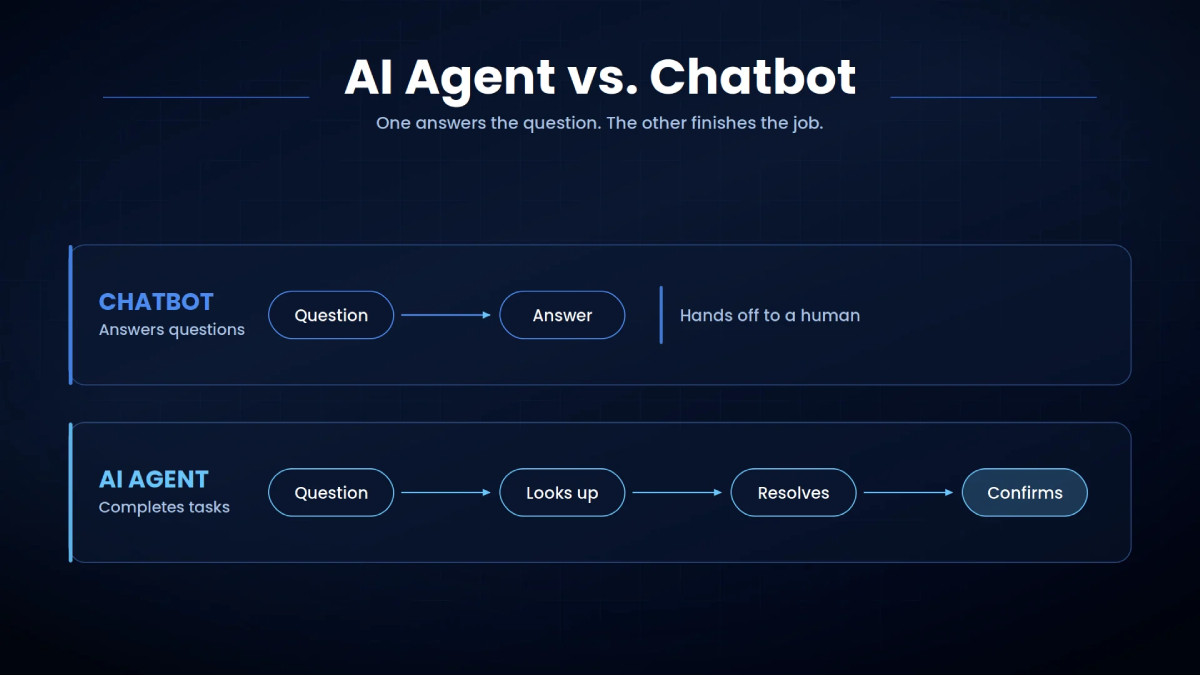
No. A chatbot may only answer questions. An agent can use tools and coordinate steps, although some chat interfaces also expose agent capabilities.
2. Should you build one agent or several?
Start with the simplest architecture that meets the task. Multiple agents add coordination and evaluation requirements that need a clear justification.
3. Can an agent work with an existing CRM?
Potentially, if the system provides suitable interfaces and permissions. Validate access, data quality, write operations, and failure handling during discovery.
4. What should a vendor demonstrate beyond a prototype?
Ask for evaluation results, integration behaviour, permission controls, monitoring, and ownership arrangements. Include failure cases rather than reviewing only successful examples.
5. Who should approve consequential actions?
Assign approval to an authorised business role. Define the action types, limits, review information, and escalation process before deployment.
6. Can switching models improve performance automatically?Can switching models improve performance automatically?
Check out our Social Media