AI Agent Security: Risks, Guardrails and Enterprise Best Practices
- Arcitech
- 30th September 2026
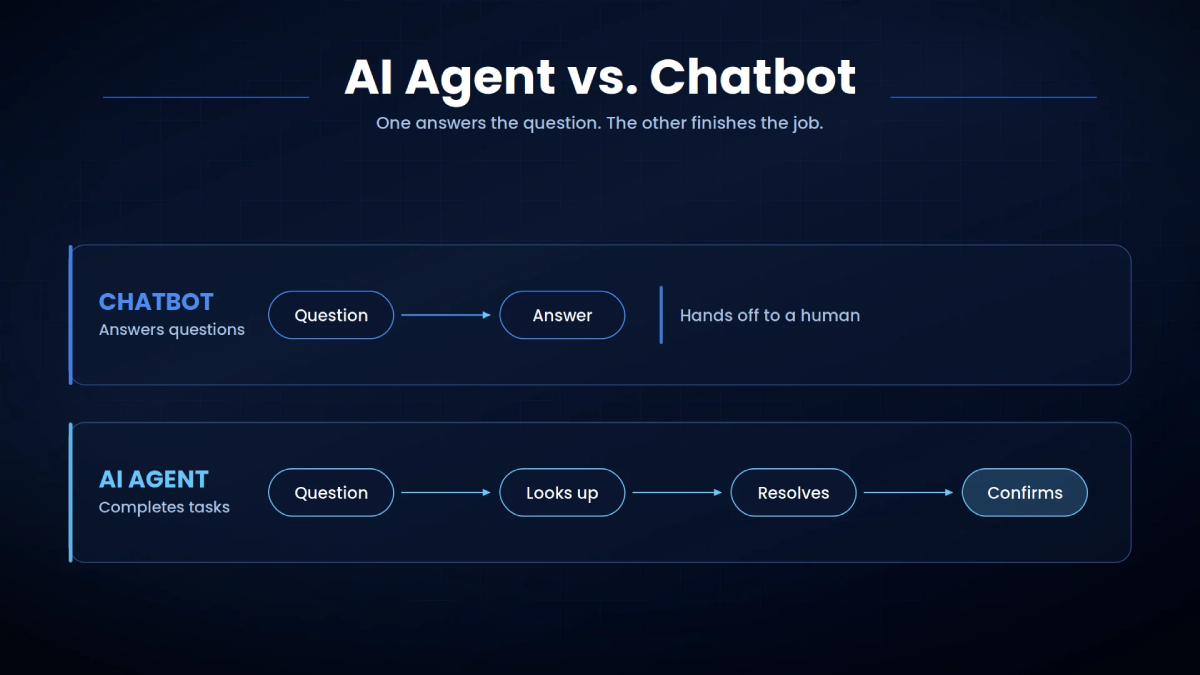
A chatbot that produces an inaccurate answer may misinform a user. An AI agent with access to email, CRM, finance, or infrastructure tools may turn that error into an external message, changed record, unauthorized disclosure, or financial transaction.
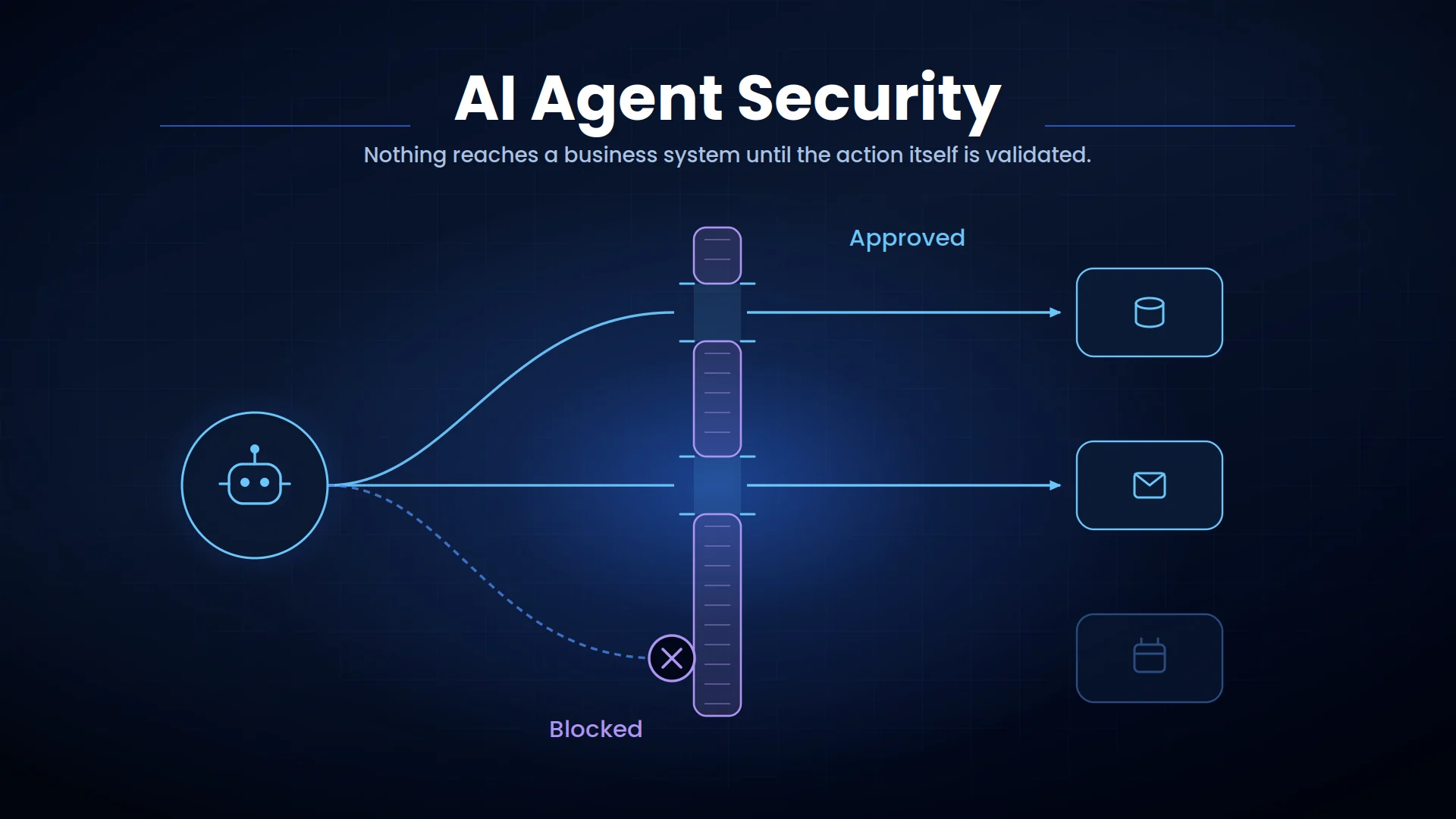
AI agent security must therefore protect more than the underlying language model. It must secure the agent’s identity, data access, tools, decisions, memory, integrations, and actions throughout the complete workflow.
What Is AI Agent Security?
A secure AI agent must be able to:
- Access only the information required for its task
- Use only approved tools and applications
- Follow organizational policies and user permissions
- Resist malicious or misleading instructions
- Validate information before taking action
- Request human approval for sensitive decisions
- Record its activities for monitoring and investigation
- Stop safely when it encounters an unexpected situation
Why AI Agents Create New Security Risks
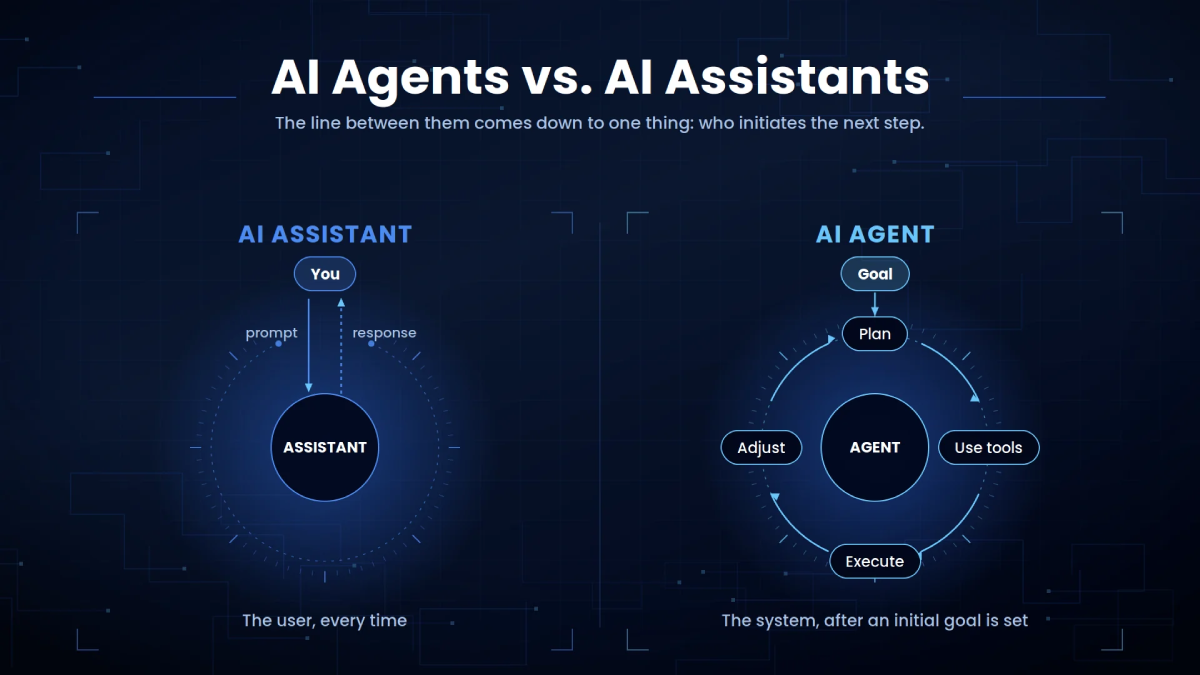
This flexibility introduces uncertainty. An attacker may manipulate information retrieved by the agent, embed instructions inside a document, or influence the agent to misuse an authorized tool.
The risk grows when an agent can access several enterprise applications. A compromised customer-service agent, for example, might retrieve account data, modify a CRM record, initiate a refund, and send a confirmation email.
Security teams must therefore consider how a failure can move across connected systems.
Major AI Agent Security Risks
Prompt Injection
Excessive Permissions
Unsafe Tool Use
Sensitive Data Exposure
Untrusted Agent Memory
Multi-Agent Vulnerabilities
Uncontrolled Autonomy
Essential Guardrails for Secure AI Agents
Apply Least-Privilege Access
Separate Reasoning From Execution
Treat External Content as Untrusted
The OWASP AI Agent Security Cheat Sheet recommends controls including input validation, tool restrictions, memory protection, least privilege, and human oversight.
Require Human Approval for High-Risk Actions
The approval interface should show what the agent plans to do, which information it used, and why the action was recommended.
Protect Data and Memory
Retention policies should define what information can be stored, for how long, and who can retrieve it.
Monitor Every Agent Action
Microsoft’s current secure-agent guidance emphasizes identity, access control, data protection, auditability, and runtime monitoring across an agent’s lifecycle.
Create Safe Failure Paths
Retries should have limits. Otherwise, an agent may repeatedly perform an expensive or damaging operation.
Enterprise Best Practices for Agentic AI Security
Test the complete workflow using normal, unexpected, and adversarial inputs. Security testing should include prompt injection, permission bypass attempts, malicious documents, tool misuse, sensitive-data requests, and manipulated agent-to-agent messages.
Use separate development, testing, and production environments. Credentials, data, and tool permissions should not be shared unnecessarily between them.
Assign clear ownership across security, engineering, data, compliance, and business teams. The NIST Generative AI Profile provides a useful foundation for identifying and managing generative AI risks across the system lifecycle.
How to Measure AI Agent Security
- Unauthorized action attempts
- Prompt-injection detection rate
- Human approval and override rates
- Sensitive-data exposure incidents
- Failed or abnormal tool calls
- Policy violations
- Time to detect and contain incidents
- Percentage of actions with complete audit records
Conclusion
The safest approach combines limited access, validated tool use, protected data, continuous monitoring, adversarial testing, and human approval for consequential actions. These guardrails allow organizations to expand agent capabilities without giving up operational control.
Build Secure Enterprise AI Agents With Arcitech
Arcitech’s AI software development services support the development of secure, purpose-built AI agents. Our AI integration services connect agents with enterprise applications, data, APIs, approval controls, and monitoring systems.
Talk to Arcitech about designing secure AI agents aligned with your workflows, risk profile, and governance requirements.
Frequently Asked Questions About AI Agent Security
1. What is AI agent security?
2. What is prompt injection in an AI agent?
Prompt injection uses malicious instructions to influence an agent’s behavior, access information, or misuse connected tools.
3. How can enterprises limit AI agent risks?
Use least-privilege access, tool validation, data controls, human approvals, audit logs, monitoring, and adversarial testing.
4. Should AI agents have direct access to business systems?
Access should pass through controlled interfaces that validate permissions, parameters, policies, and transaction limits before execution.
5. Which AI agent actions require human approval?
Check out our Social Media