AI Integration Strategy: A Practical Framework for Enterprises
- Arcitech
- 28th September 2026
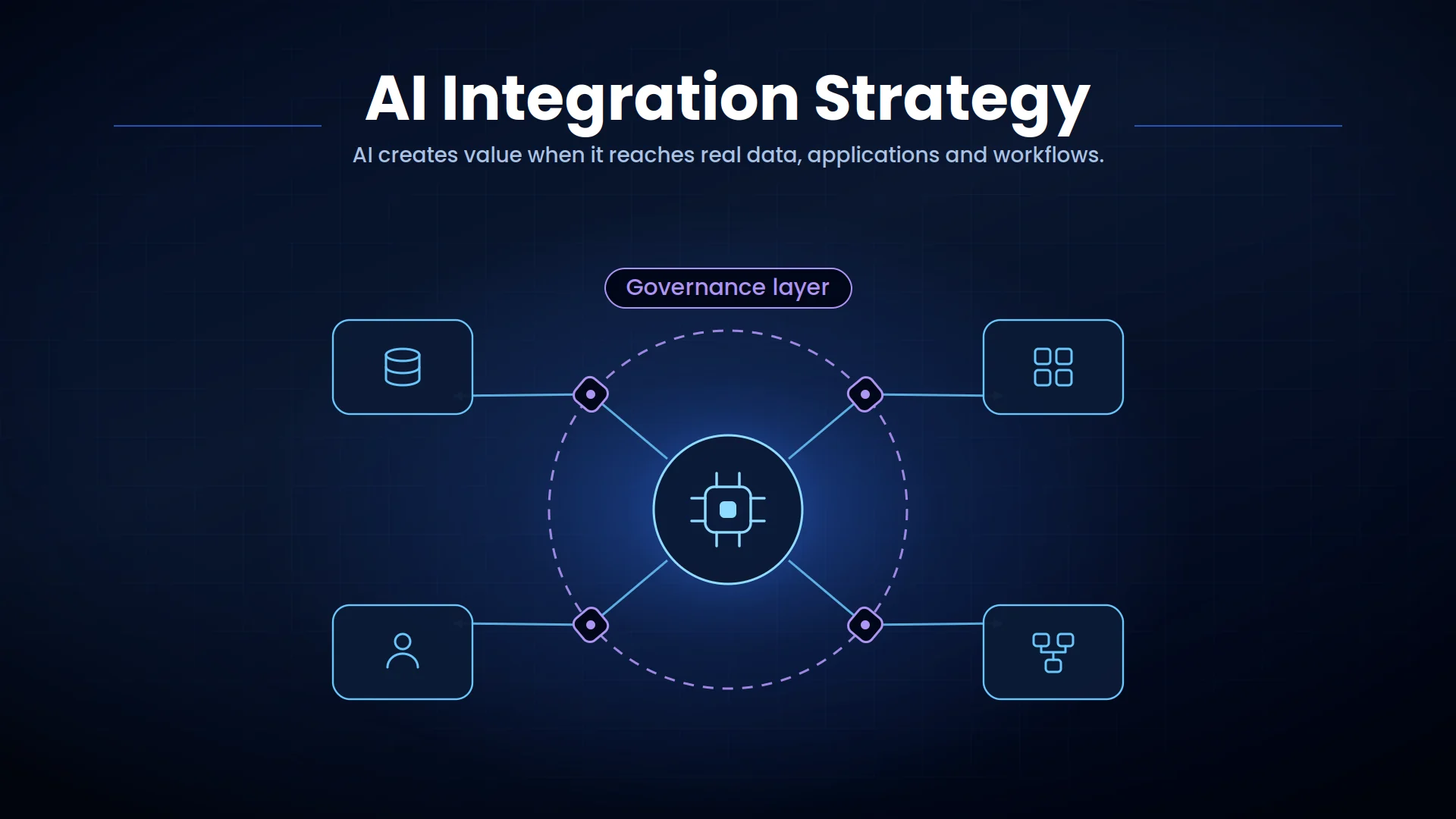
AI becomes valuable when it can securely access relevant data, interact with enterprise applications, support existing workflows, and produce measurable operational improvements. Achieving this requires more than selecting an AI model or subscribing to a new platform.
An effective AI integration strategy connects business objectives, data, technology, security, governance, and employee adoption within one practical implementation framework.
What Is an AI Integration Strategy?
It defines:
- Which business problems AI should address
- What data the AI system can access
- How AI will connect with enterprise applications
- Which models, platforms, and architectures will be used
- Where human approval is required
- How security, compliance, and performance will be managed
- Which business metrics will determine success
Why Enterprise AI Integration Is Challenging
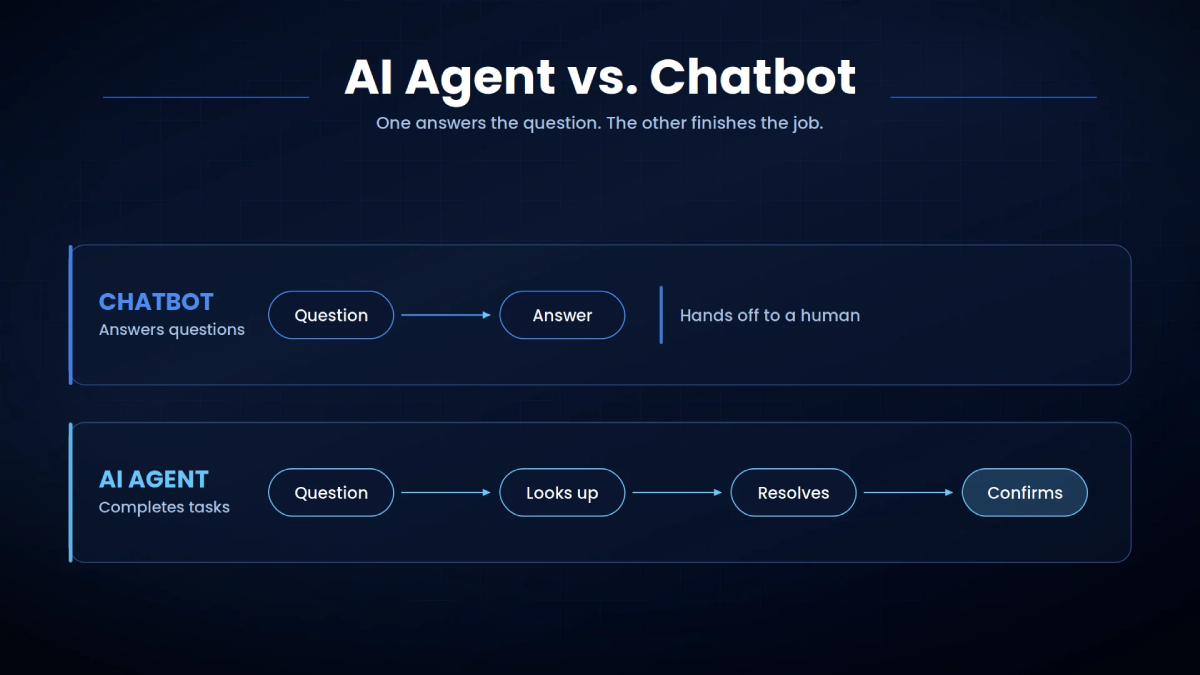
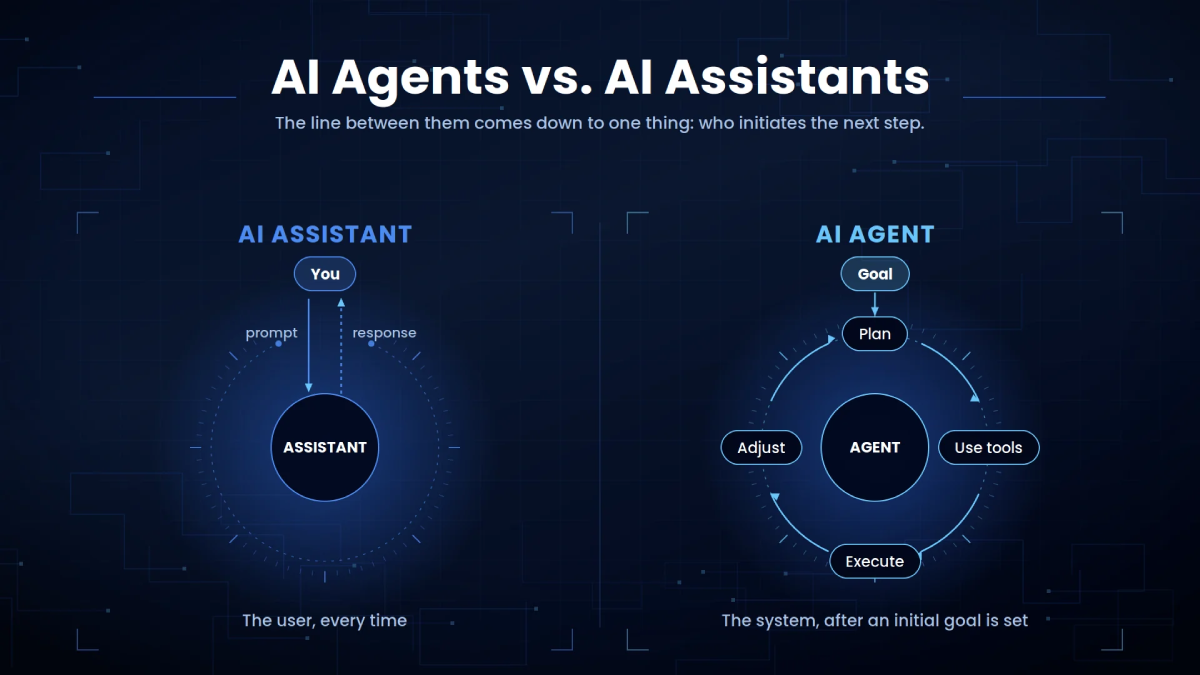
This creates new integration requirements. Enterprises must manage model accuracy, data permissions, prompt security, response validation, operating costs, latency, and changing model behavior.
Legacy applications add another challenge. Business data may be distributed across ERP, CRM, document management, finance, HR, customer-service, and industry-specific platforms. Some systems provide modern APIs, while others require middleware, database connectors, robotic process automation, or custom development.
A successful strategy must therefore address both AI capabilities and the wider enterprise technology environment.
A Practical AI Integration Framework
1. Start With a Defined Business Problem
Strong initial use cases often involve:
- Repetitive, high-volume activities
- Document-heavy processes
- Slow access to organizational knowledge
- Manual movement of data between systems
- Decision bottlenecks
- Customer or employee service delays
2. Assess the Existing Technology Environment
The assessment should identify:
- Where relevant data is stored
- Who is permitted to access it
- Whether APIs or integration tools are available
- Which steps currently require manual work
- Where errors and delays occur
- Which systems will receive AI-generated outputs
3. Prepare and Govern Enterprise Data
Organizations should define data owners, access policies, retention requirements, quality rules, and approved information sources.
Retrieval-augmented generation can connect language models with private enterprise knowledge without retraining the entire model. However, the retrieval layer must respect existing user permissions and prevent unauthorized information from appearing in responses.
4. Select the Appropriate AI Approach
Enterprises should also decide whether to:
- Purchase a ready-made application
- Integrate a managed AI service
- Customize an existing model
- Develop a purpose-built AI solution
5. Design the Integration Architecture
Common integration components include:
- APIs and integration middleware
- Event queues and workflow engines
- Identity and access management
- Vector databases and retrieval systems
- Model gateways
- Prompt and policy management
- Monitoring and audit tools
- Human approval interfaces
6. Build Security and Governance Into the Workflow
Controls may include encryption, role-based access, data masking, approved-model lists, output filtering, audit logs, and restrictions on autonomous actions.
The NIST AI Risk Management Framework provides a useful structure for managing AI risks throughout design, deployment, use, and evaluation.
High-impact or low-confidence actions should require human approval. For example, AI may prepare a refund recommendation, but an employee should approve amounts above an established threshold.
7. Pilot, Measure, and Scale
Measure results against the pre-implementation baseline. Useful metrics include:
- Processing time
- Cost per transaction
- Automation rate
- Accuracy and error rate
- Human override rate
- User adoption
- Customer satisfaction
- Revenue or cost impact
Enterprise AI Integration Use Cases
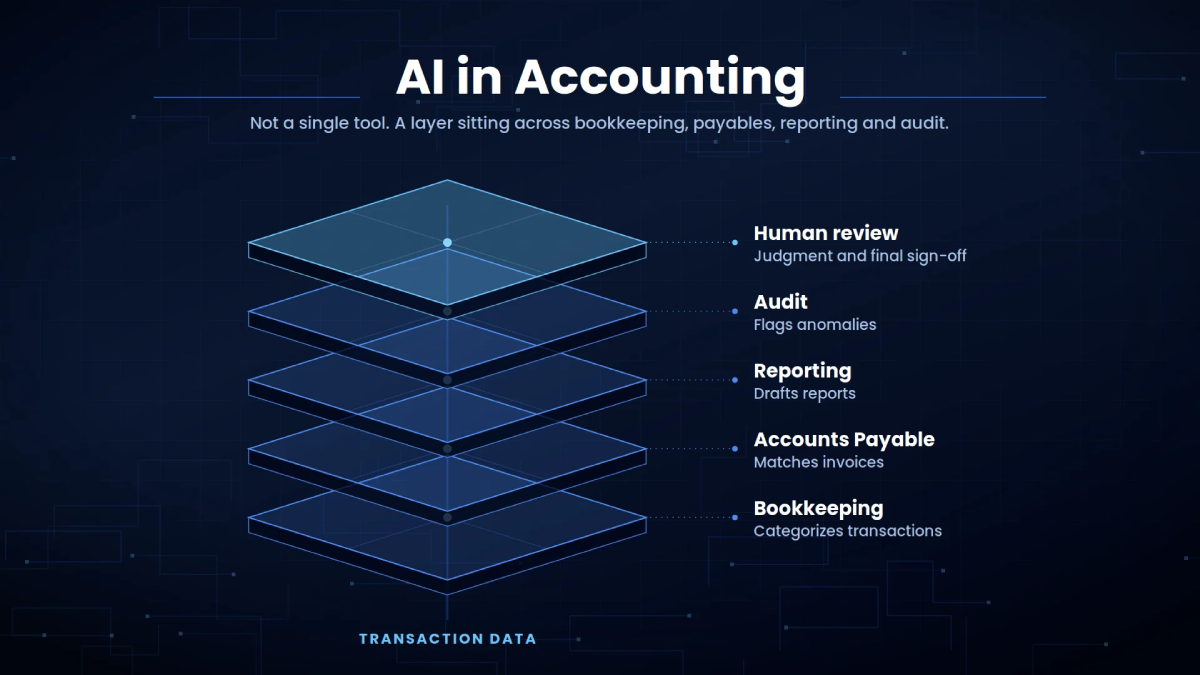
AI-Powered Customer Service
Intelligent Document Processing
Sales and CRM Automation
Manufacturing Operations
Enterprise Knowledge Assistants
Best Practices for Sustainable AI Integration
Keep models separate from core business logic where possible. This allows the organization to change providers or models without redesigning every workflow.
Test the complete process, not only the model. A technically accurate response has limited value if it reaches the wrong system, lacks approval, or fails to trigger the required action. Monitor accuracy, latency, security events, usage, and cost after deployment. AI systems require ongoing evaluation because models, data, business rules, and user behavior can change.
Conclusion
Enterprises should start with focused use cases, prove value through controlled pilots, and scale through reusable integration components. This approach reduces risk while creating a foundation for automation across multiple departments.
Build Your Enterprise AI Integration Strategy With Arcitech
Arcitech helps enterprises connect AI models, agents, data, APIs, and business applications through secure, scalable integration architectures.
Explore Arcitech’s AI automation services to develop an AI integration plan aligned with your systems, workflows, governance requirements, and business goals.
Frequently Asked Questions About AI Integration Strategy
1. What is an AI integration strategy?
It is a structured plan for connecting AI with enterprise data, applications, workflows, governance controls, and measurable business objectives.
2. What should an AI integration plan include?
It should include use cases, data requirements, system architecture, security controls, human oversight, implementation stages, ownership, and performance metrics.
3. How does AI integrate with legacy systems?
AI can connect through APIs, middleware, database connectors, event queues, robotic process automation, or purpose-built integration services.
4. Should enterprises build or buy AI solutions?
Ready-made tools suit standardized needs, while custom solutions provide greater control over specialized workflows, integrations, data, and governance.
5. How is enterprise AI integration success measured?
Success can be measured through processing time, automation rate, accuracy, cost reduction, user adoption, customer outcomes, and return on investment.
Check out our Social Media